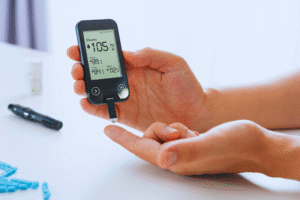

Many people with diabetes face a confusing situation:
👉 They avoid sweets
👉 They follow a diet
👉 They even walk daily
Yet, their fasting sugar remains high, HbA1c doesn’t drop, and medications keep increasing.
Why does this happen?
Because the biggest triggers for blood sugar are NOT just food — they are stress and sleep.
At Eternal Health Goal, we see this every day. Many clients who struggle with stubborn high sugar finally achieve breakthrough results when they fix stress and sleep.
Let’s understand this in detail.
How Stress Raises Blood Sugar Levels
When you are stressed, your body releases a hormone called cortisol.
Cortisol is meant to protect you from danger by giving you quick energy.
But the way it works is surprising:
Cortisol raises your blood sugar — even if you haven’t eaten anything.
That’s why stress is one of the leading hidden causes of:
- high fasting sugar
- unexplained glucose spikes
- increased belly fat
- late-night cravings
- difficulty losing weight
- insulin resistance
- stubborn HbA1c levels
3 Ways Stress Directly Increases Blood Sugar
1. Liver Dumps Stored Glucose
When stressed, your liver releases stored glucose into the bloodstream.
This raises sugar instantly — even without food.
2. Insulin Becomes Less Effective
Stress reduces your cells’ ability to respond to insulin, causing insulin resistance.
This makes your sugar stay high for longer.
3. Stress Eating
Stress increases cravings for:
- sugar
- fried foods
- salty snacks
- carbs
This creates a cycle of emotional eating → glucose spikes → guilt → more stress.
How Poor Sleep Raises Blood Sugar Levels
Most diabetics underestimate the power of sleep.
But here’s the truth:
Even ONE night of bad sleep can increase insulin resistance by 20–40%.
When you sleep less than 6–7 hours:
- cortisol goes up
- hunger hormones increase
- cravings become stronger
- insulin becomes weaker
- liver releases more glucose
- fasting sugar rises
This is why many people wake up with:
✔ high morning sugar
✔ low energy
✔ brain fog
✔ irritability
Poor sleep triggers a metabolic domino effect.
Common Sleep Mistakes That Raise Sugar
- late-night heavy dinner
- scrolling on phone before bed
- irregular sleep timings
- sleeping after 12 AM
- caffeine in the evening
- stress before bed
- worrying while trying to sleep
All of these disrupt your circadian rhythm, your body’s internal clock controlling blood sugar.
Why Most Diet Plans Fail Without Stress & Sleep Management
You can follow a perfect diet, but if your cortisol and sleep patterns are poor, you will still face:
- plateau in sugar
- increased insulin resistance
- slow weight loss
- high fasting levels
- stubborn belly fat
That’s why at Eternal Health Goal, our Glucose Reset Code™ targets the real roots of metabolic imbalance — not just diet charts.