If you’ve been trying to control your diabetes for months or even years, but your HbA1c still refuses to drop, you are not alone. Thousands of working professionals face the same problem: good intentions, good effort, but no results.
The biggest shock for most people is this — high HbA1c is not just about sugar or rice. Many hidden habits and lifestyle errors silently push HbA1c up, even when your diet looks “perfect.”
In this blog, you’ll discover the 12 most common — yet unknown — reasons that stop your HbA1c from improving, and what you can do about them.
1. Eating Too Late at Night
Most professionals eat dinner at 10:30 or 11 PM due to work schedules. This is one of the biggest causes of morning high sugars and elevated HbA1c.
Why? Because your body becomes insulin-resistant at night.
Even a “light” dinner at 11 PM can spike fasting sugar.
Fix: Finish dinner before 8 PM or keep at least a 12-hour gap before breakfast.
2. Eating Tea + Biscuits in the Morning
Tea itself isn’t the problem.
The issue is tea + glucose spike + empty stomach.
When the first food of your day is sugar, your glucose level shoots up instantly and stays high throughout the day.
Fix: Eat a protein-based breakfast first. Tea can be taken later.
3. Depending Only on Walking
Walking is healthy, but it does not reverse insulin resistance.
Your muscles are the biggest consumers of glucose — and walking alone doesn’t activate enough muscle groups.
Fix: Add simple resistance exercises 10–15 minutes a day.
The Glucose Reset Code uses a 3-part exercise method that improves HbA1c in weeks.
4. High Stress and High Cortisol
Stress raises cortisol, and cortisol raises blood sugar — even if your diet is perfect.
Work deadlines, long office hours, family responsibilities, and sleep issues all push cortisol up.
Fix:
5 minutes of deep breathing
10 minutes of meditation
A clear boundary between work and personal time
This alone reduces glucose spikes in many clients.
5. Not Sleeping Enough
Just one night of poor sleep can increase insulin resistance by 20–25%.
Late dinners + mobile phones + stress = broken sleep.
Fix:
Sleep by 11 PM
Avoid phones 30 minutes before sleeping
Keep room dark and cool
6. Ignoring Muscle Loss
After age 30, you naturally lose 3–5% muscle every decade.
Less muscle = less glucose used = higher HbA1c.
Fix:
Short resistance workouts
Protein with every meal
Weekly tracking of strength activities
7. Eating “Healthy” Food That Actually Spikes Sugar
Many diabetics eat foods they believe are safe but are actually glucose bombs:
Brown bread
Atta biscuits
Poha
Upma
Cornflakes
Fruit juices
Oats with sugar
Bananas
Fix: Use the Glycemic Load checklist we teach inside the program.
8. Not Tracking Real-Time Glucose Patterns
This is where 90% of people go wrong.
You cannot improve what you don’t measure.
If you don’t know what spikes your sugar, how will you fix it?
Fix:
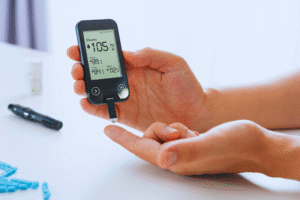
Use a glucometer or CGM
Track pre-meal and post-meal readings
Let a coach analyze patterns weekly
In the Glucose Reset Code, we do this for all 180 days.
9. Incorrect Medication Timing
Many people take medicines at the wrong time, or mix medications with food incorrectly, or assume medicines alone solve the problem.
Medicine controls sugar.
Lifestyle reverses diabetes.
Fix:
Follow a structured taper strategy
Consult your doctor regularly
Use our Rx Roadmap guidance session for safe medication reductio
10. Sitting All Day
Working professionals often sit 8–12 hours.
Long sitting = zero glucose usage = higher HbA1c.
Fix:
Stand or walk 2–3 minutes every hour
Use mini movement routines after meals
Never sit immediately after food
11. Weekend Cheats That Damage Weekly Progress
One “cheat meal” can spike glucose for 48 hours.
Two wrong days can ruin the previous five days of effort.
Fix:
Stick to a weekend friendly plan
Use low-impact tasty meals
Learn how to balance food load safely
12. No Accountability
This is the biggest reason HbA1c doesn’t improve.
Most people start well but cannot stay consistent for 90 days.
Consistency is NOT motivation — it’s accountability.
Fix:
Daily reminders
Weekly Zoom review
Real-time corrections
Support from a diabetes reversal coach
This is exactly why our clients stay on track and achieve results.
Final Thoughts: HbA1c Improves When You Fix the Root Cause
Lowering HbA1c is not magic. It’s science + structure.
The moment you fix insulin resistance, the numbers improve automatically.
At Eternal Health Goal, we use a proven 180-day system that gives you:
• Nutrition guidance
• Exercise planning
• Lifestyle correction
• Daily accountability
• Report analysis
• Real-time monitoring
• CGM hot-seat sessions
• Doctor-safe taper strategy